

52·
25 days agoI’m afraid there is no business model that can finance quality journalism. We are currently seeing the consequences of this.
I’m afraid there is no business model that can finance quality journalism. We are currently seeing the consequences of this.
It’s kind of interesting that most people here seem to assume that attending college is synonymous with education or knowledge. It would be nice if that were the case.
However, there are also quite a few people who went to college but didn’t learn a thing there - especially in countries like the U.S. or England, where a college degree costs an absurd amount of money, this happens all the time. It’s especially common there to find children of wealthy people who are as dumb as a box of rocks, yet still manage to buy their way into high society with a college degree - they’re guaranteed to get it, regardless of whether they learn even the slightest thing at university.
The current U.S. president is a good example…
I recently attended the wedding of a friend who married into nobility. Most of the bride’s friends, who had all attended Eton or Cheltenham, worked in some capacity as estate or property managers.
Edit: The whole event had a pretty satirical feel to it - there was even the mentally unstable, rich daughter who, later in the evening, threw herself at you while drunk and went on and on about how awful her mother was, how boring her friends were, and all that. Oh, and there were quite a few rich old perverts as well who were constantly making lewd advances toward the much younger women in attendance. All in all, it was quite a strange wedding.

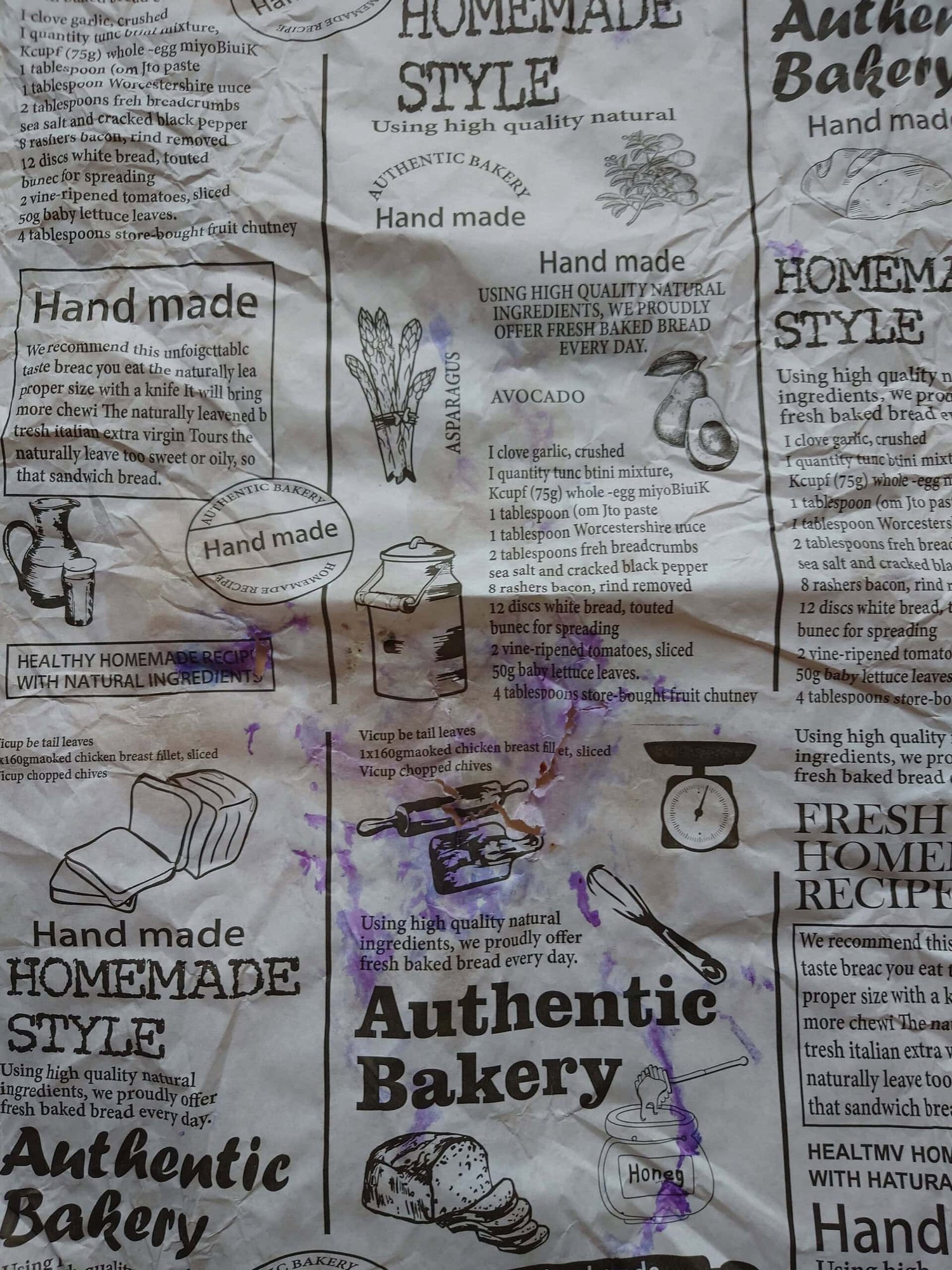
I’m sure they can read. The store is in Germany and the text is in English, but I’m sure they realized that this is complete nonsense. I think they just ordered some cheap wrap material from somewhere and didn’t pay much attention to what was written on it.
They probably just don’t want to throw it away - which is fine. I just found it somewhat amusing and maybe a little infuriating, which is why I posted it here.
Yes, that could be the case. My guess was that templates like this were collected by image-generation models, which then turn them into complete nonsense on demand. But OCR could also be a good explanation, of course.
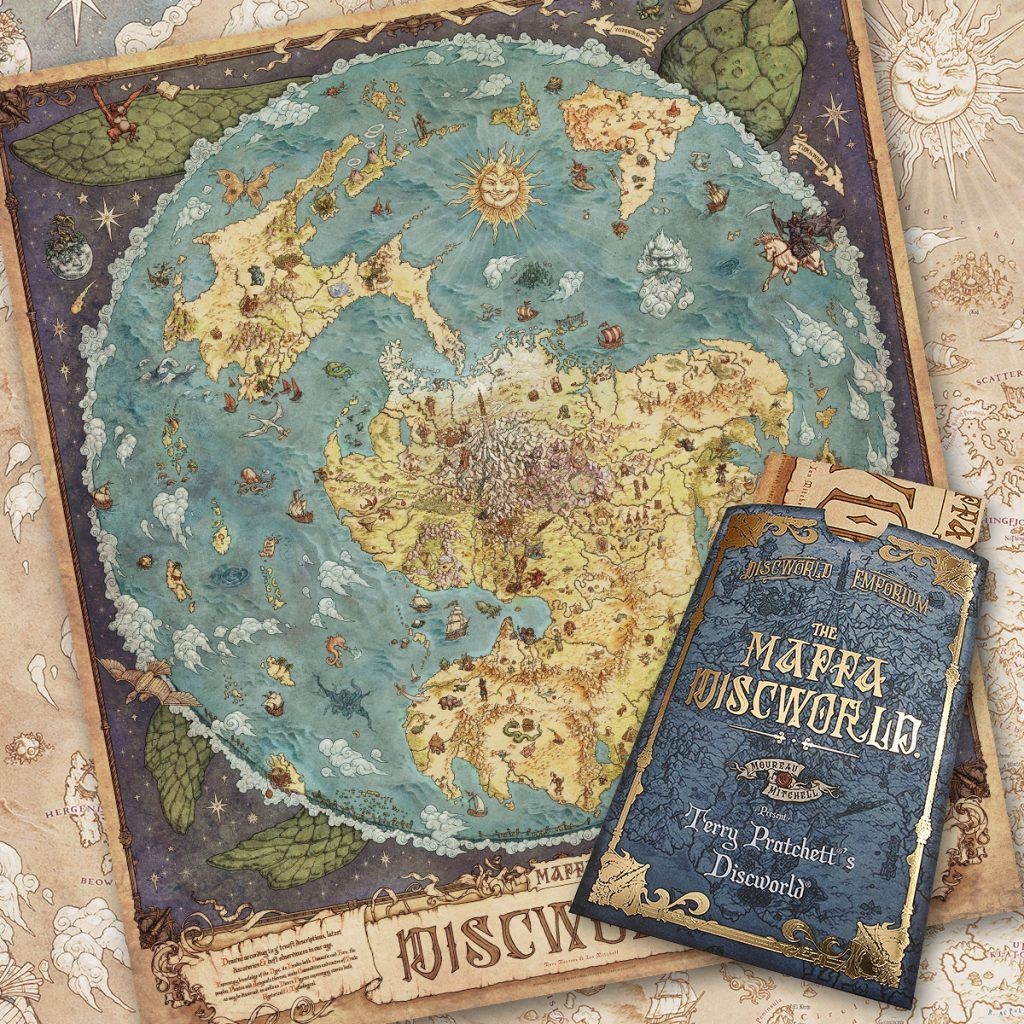
Phew, good question - maybe in Ankh-Morpork?
Here’s a map:
That could certainly be the case, but it seems like a lot of effort to me to produce something like that.
Either way: Apparently, the people at the kebab shop didn’t notice what was written on it when they placed the order. They may have saved a little money on quality, but it doesn’t strike me as particularly flattering, especially since they actually pride themselves on freshly prepared food, which tastes great.
It’s probably because of the “bunec for spreading.”
That could very well be the case. I hope that I’ll never find out, though…
Yeah, that’s true: Stephen Hillenburg, the creator of SpongeBob, and his team certainly had some socially critical intent when they created the show and its characters - after all, there are often deliberately exaggerated everyday situations and the like which address social issues in a humorous way.
But also yeah, exactly: I added /s because, while the underlying message is at least somewhat recognizable, I presented it in such a pretentious way. I was just lazing around in bed and thought I’d have a little fun with some kind of pseudo-intellectual silliness.
So /s - mainly so no one here thinks I’m some completely out-of-touch political theorist or something who actually takes this exaggerated view all too seriously :)
Mr. Krabs’s relentless emphasis on profit -expressed through wage suppression, obsessive cost-cutting, and the conversion of social relations into transactions - renders him a concentrated embodiment of profit-driven logic. SpongeBob’s boundless cheerfulness and dutiful labor on the other hand present the idealized worker who performs emotional compliance as part of his job; his behavior makes visible the moral contradiction at the heart of an economy that prizes surplus extraction over workers’ wellbeing. The Krusty Krab’s daily rhythms - timed shifts, commodified leisure, scripted upselling, and constant attention to margins - show how extraction becomes normalized through routine rather than force.
The rivalry between Mr. Krabs and Sheldon J. Plankton further highlights the system’s subtly coercive nature: their ceaseless competition is less about innovation than about maintaining status atop the same extractive order, a ruthless free market theater in which two capitalists conserve and contest power while workers absorb the costs. The comedy works because it literalizes these dynamics - affection as account entry, friendship as transaction - so that the satirical clarity of the show forces viewers, even while amused, to recognize how profit as an organizing principle reshapes everyday life and renders cheerfulness itself a technique of compliance.
/s
I don’t feel sorry for anyone sitting there.
Hey, we’ve got social media and all that now. The memes and all the valuable info from whoever will surely take care of it.